🚨 Smart Safety Helmet 2.0 for Seafarers

“AI-integrated protection for the modern maritime workforce.”

From the award-winning prototype to a future-ready AI safety platform — built to save lives, enhance efficiency, and set new safety standards at sea.
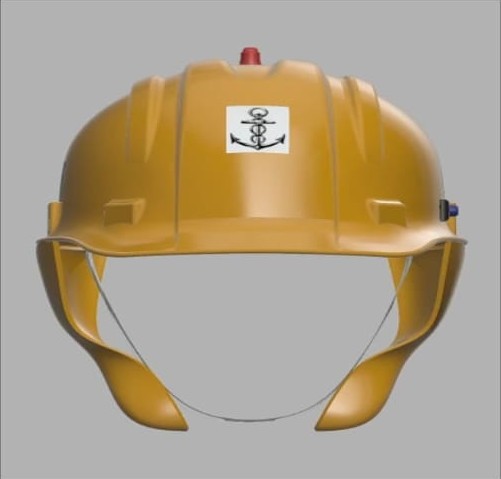
3D Rotating Helmet Model

Why Traditional Helmets Aren’t Enough at Sea

The maritime industry faces critical safety challenges that demand a new approach to personal protective equipment.

88%

of accidents onboard are due to human error.

Detection Delays

in man-overboard incidents can cost lives.

Discomfort

leads to non-compliance with safety protocols.

Lack of Data

Current systems lack real-time health and location data.

Introducing the Smart Safety Helmet

More than just protection, our helmet is a dynamic, responsive system designed for modern maritime safety.

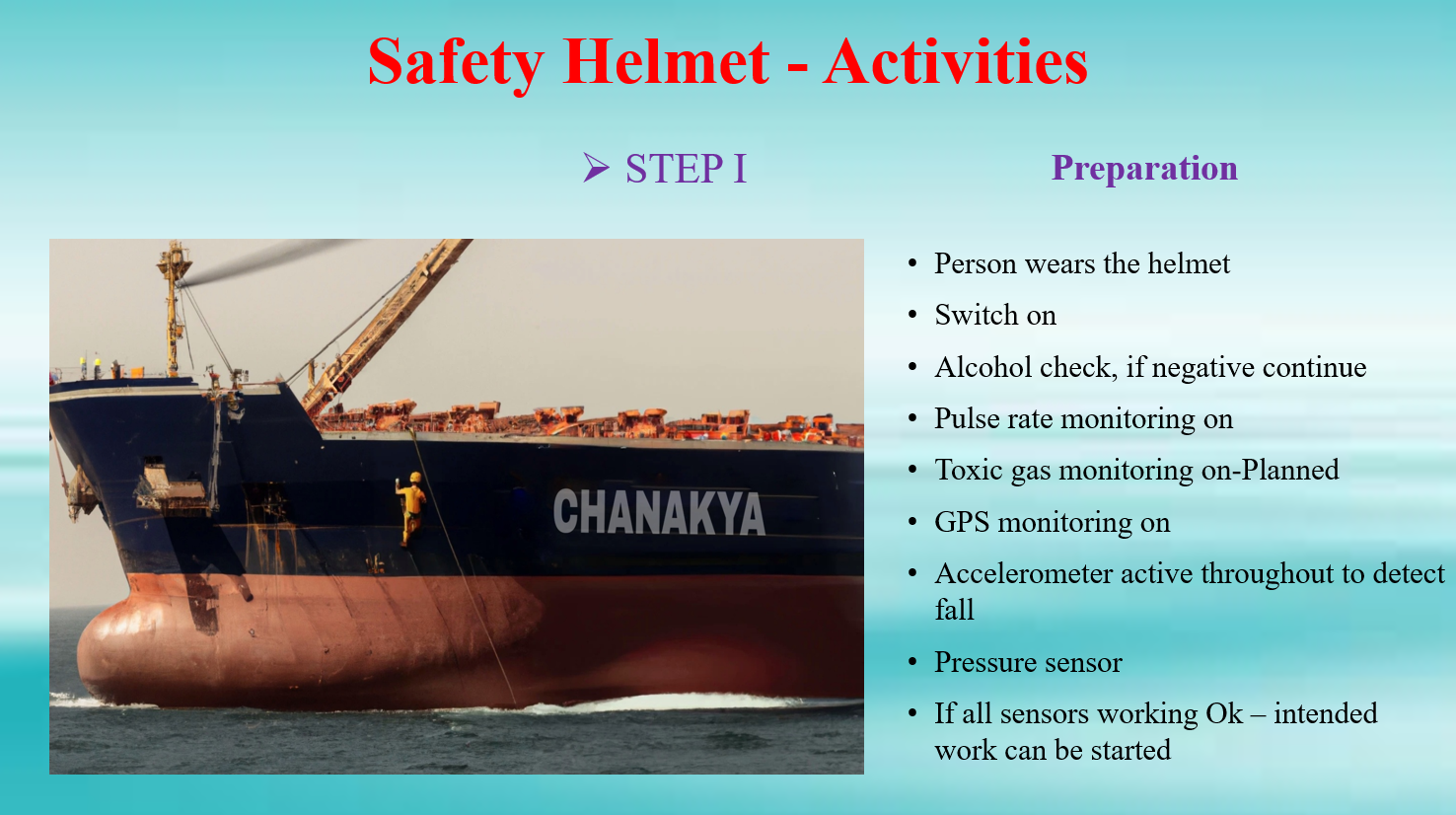
Detects alcohol & toxic gases in real time.

Monitors heart rate and vitals.

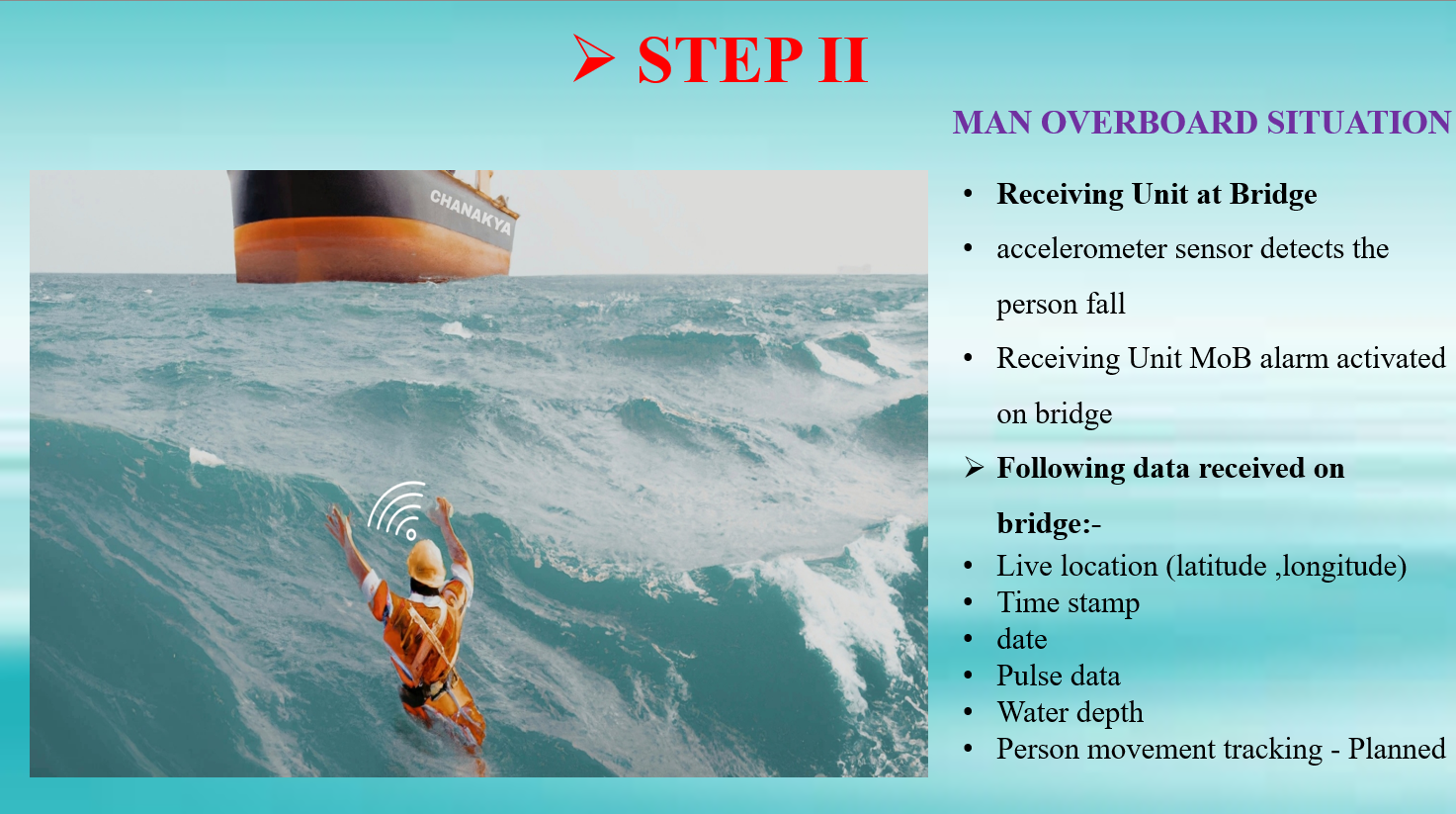
Identifies falls & man-overboard incidents instantly.

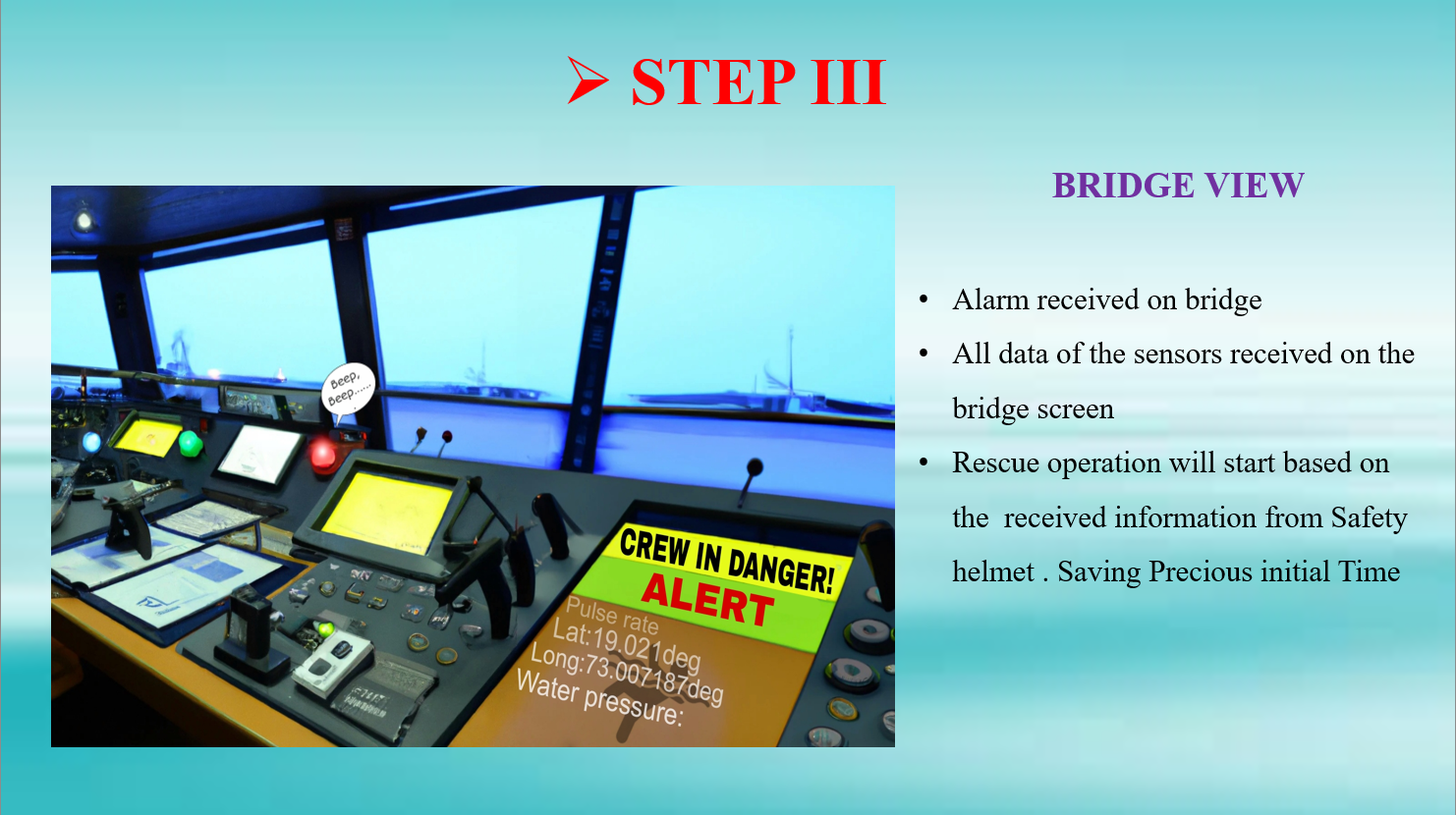
Sends GPS-based alerts to the bridge.

Designed for rugged marine environments.

Confirms helmet compliance.

The Smart Helmet Journey

From a groundbreaking academic project to a commercial-ready AI safety platform.

The Smart Safety Helmet for seafarers was originally conceived as a solution to enhance safety onboard ships. The main aim was to address man overboard incidents, improve health monitoring, and provide real-time alerts to the crew.

Development and Early Prototype (2023)

The prototype was first developed as part of a college project at TS Chanakya. A research paper titled "Innovative Design Idea for Smart Safety Helmet for Seafarers" was published in JMR Publications, detailing the concept and initial testing.

Technology Used:
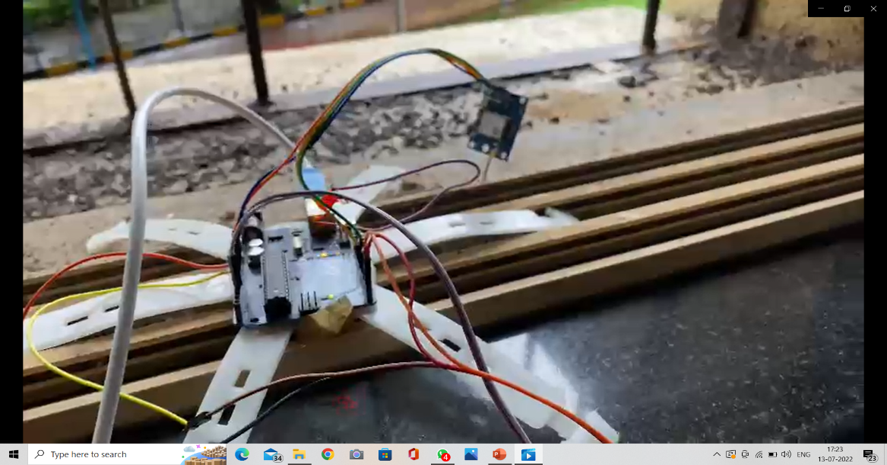
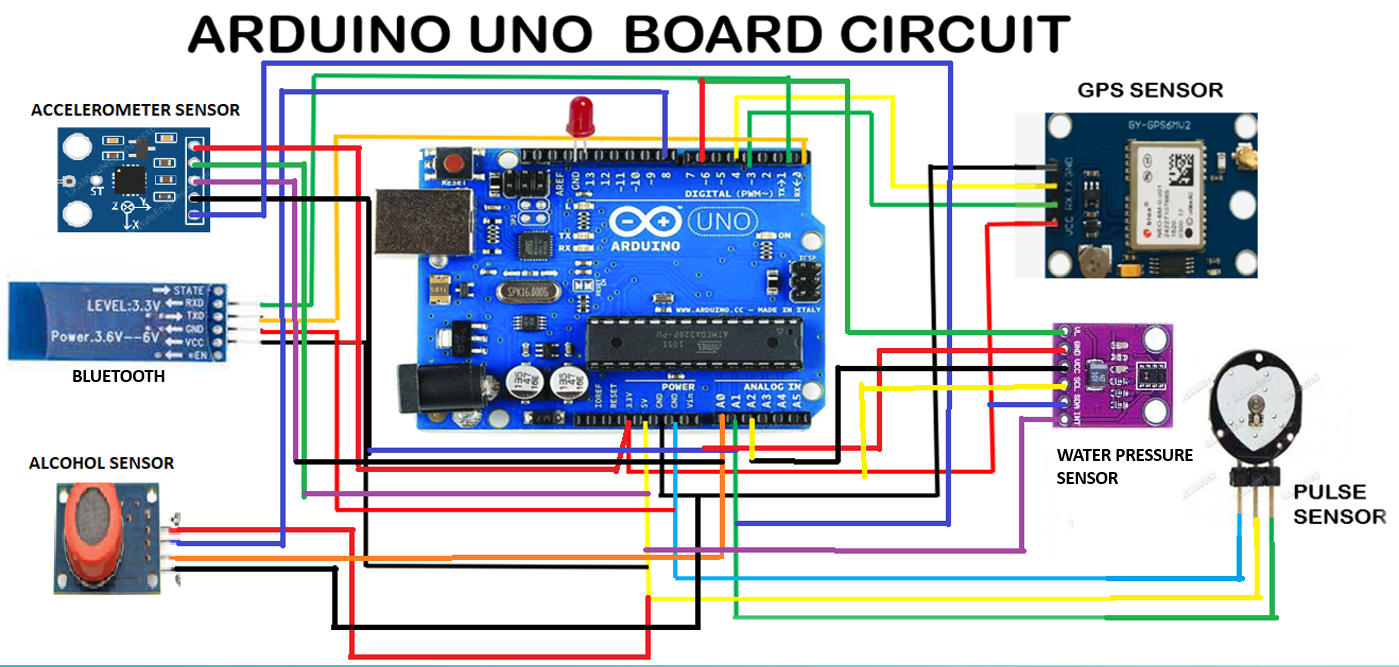
  • Arduino Uno: Microcontroller for processing sensor data.
  • MQ3 Alcohol sensor: For detecting alcohol presence in the wearer’s breath.
  • Pulse sensor: To monitor heart rate.
  • Accelerometer: To detect sudden movement or falls.
  • GPS module: To track the wearer’s real-time location.
  • Water sensors: For detecting immersion in man overboard situations.

Naavik Maritime Solutions has started to actively work on Helmet 2.0, which aims to build on the 2023 prototype by enhancing its features, integrating more advanced technologies, and making it more suitable for real-world applications.

New Features in Helmet 2.0:

  • AI Integration: Using artificial intelligence for fatigue detection and advanced health monitoring.
  • Improved Sensors: Next-generation sensors that are more accurate and durable.
  • Enhanced GPS: Real-time location data transmitted through 5G or satellite communication.
  • Health Monitoring: Heart rate variability, blood oxygen levels, and body temperature sensors.
  • Battery Life: A long-lasting battery with solar charging capabilities.
  • Wireless Communication: 5G and IoT integration for faster, more reliable communication.
  • Voice Assistance: Integration of voice command capabilities for hands-free operation.

The next phase for the Smart Safety Helmet involves incorporating full AI capabilities to provide predictive safety measures and integrating with smart maritime systems.

Key Future Developments:

  • Fully AI-Integrated Helmets: AI will continuously monitor data to assess risk in real-time and predict when a seafarer might be at risk.
  • Integration with Smart Maritime Systems: Each helmet will be part of a larger interconnected network for real-time crew health monitoring and data analysis.
  • Augmented Reality (AR) Displays: Helmets could come with AR displays for showing real-time data or instructions.
  • Autonomous Search and Rescue: The helmet's distress signal could trigger an autonomous search mission.
  • Regulatory Compliance: Future versions will comply with new regulations and industry standards like SOLAS and ISM.

Features in Detail

A comprehensive look at the cutting-edge technology inside the helmet.

  • Alcohol Sensor (MQ-3): Detects alcohol vapor via chemiresistive tech. Alerts bridge in real-time upon threshold breach.
  • Gas Sensor (MQ-135): Detects Ammonia, Methane, Benzene, CO, etc. Prevents hazardous gas exposure fatalities.
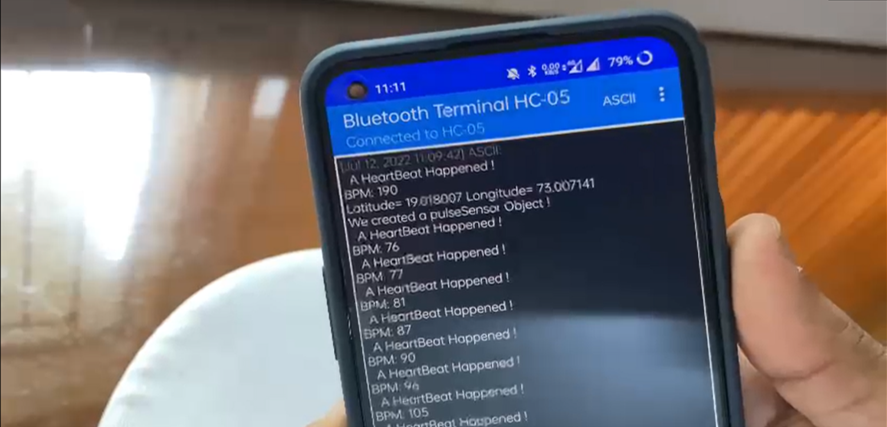
  • Measures real-time BPM using PPG technique.
  • Confirms helmet compliance.
  • Triggers alerts during low/high pulse abnormalities.
  • Detects sudden impacts/falls.
  • Uses axis-wise tilt sensing.
  • Activates man-overboard alert protocol.
  • Pinpoints seafarer location in real time.
  • Transmits coordinates upon emergency.
  • Aids rescue team with direction, speed, and location.
  • Confirms water contact for man-overboard validation.
  • Prevents false positives from onboard falls.
  • Based on Arduino Uno (ATmega328P) for processing.
  • Integrated with Wi-Fi / Bluetooth (ESP8266).
  • Kill-switch for manual override of false alerts.

How It Works

A simple, yet powerful, process to ensure immediate response and safety.

Helmet is worn → Alcohol check runs → Pulse + gas sensors activate → Accelerometer monitors continuously → Fall detected? → GPS + water sensor confirm → Alert sent to Bridge + LEDs & buzzers activated → Kill switch available if false.

Flowchart of Event Trigger & Sensor Activation

Prototype Test Results

Data validated under controlled campus test conditions to prove the prototype's functionality.

Data Point Test Result
Pulse rates Accurate within a 2 BPM margin of error.
Direction of fall 95% accuracy in detecting fall direction (x, y, z axis).
GPS coordinates Location pinpointed within a 5-meter radius.
Speed & acceleration data Real-time data validated with physical measurements.

Real-time smartphone output:

Prototype Image 1
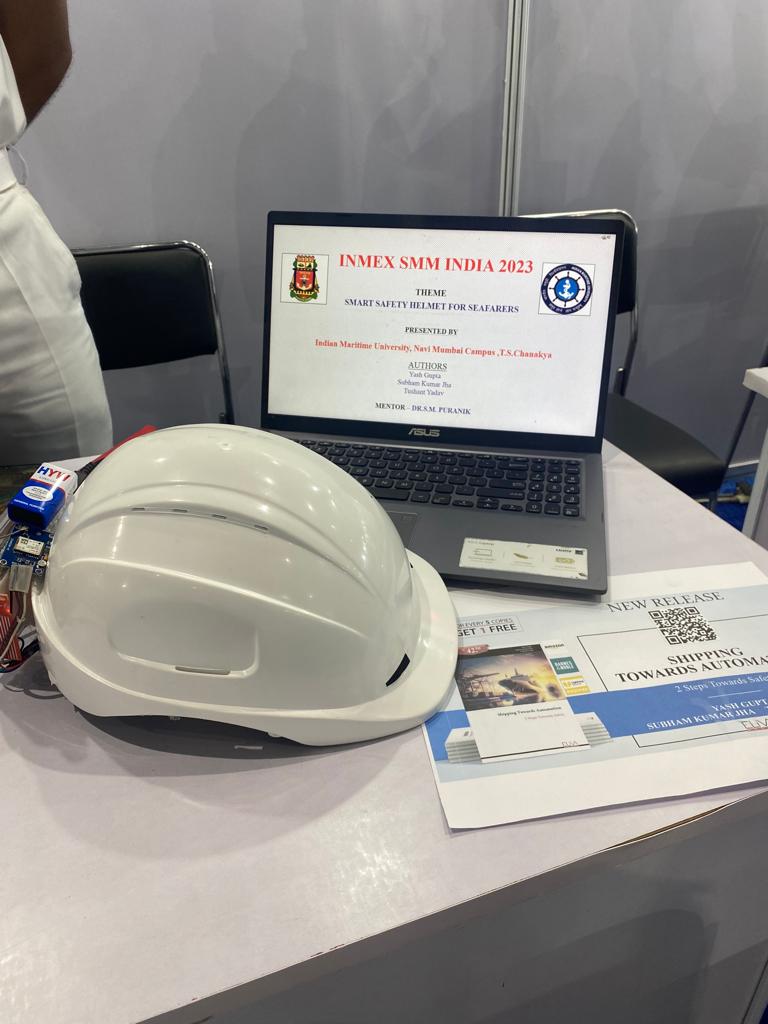
Prototype & Components
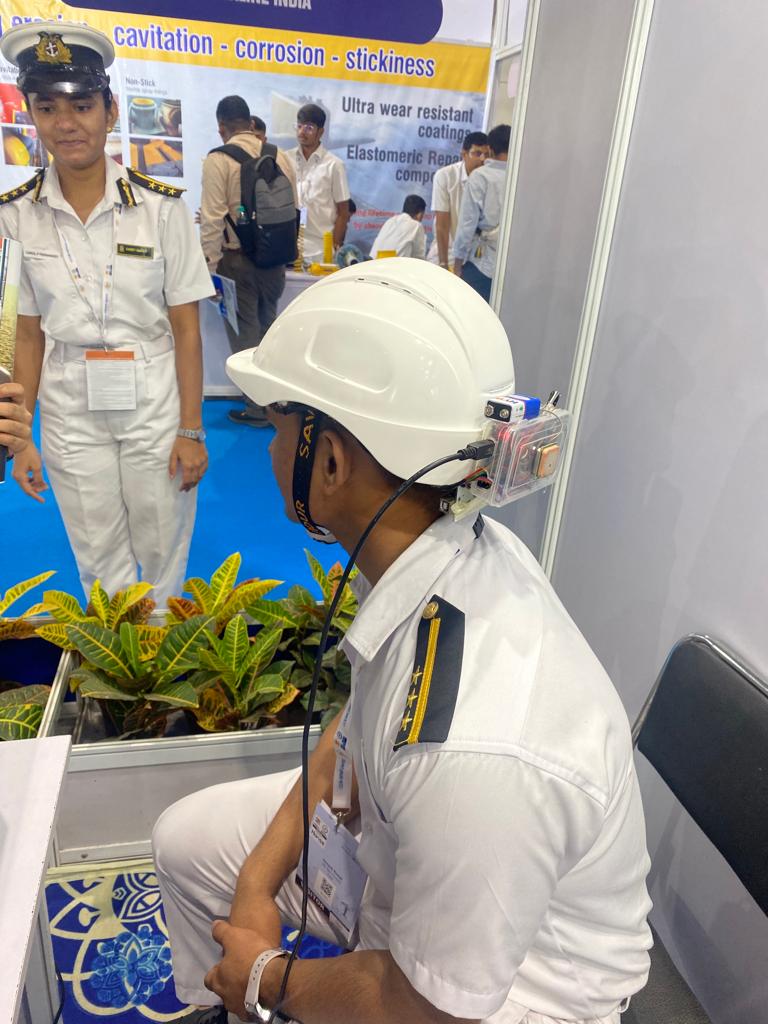
Prototype Image 2
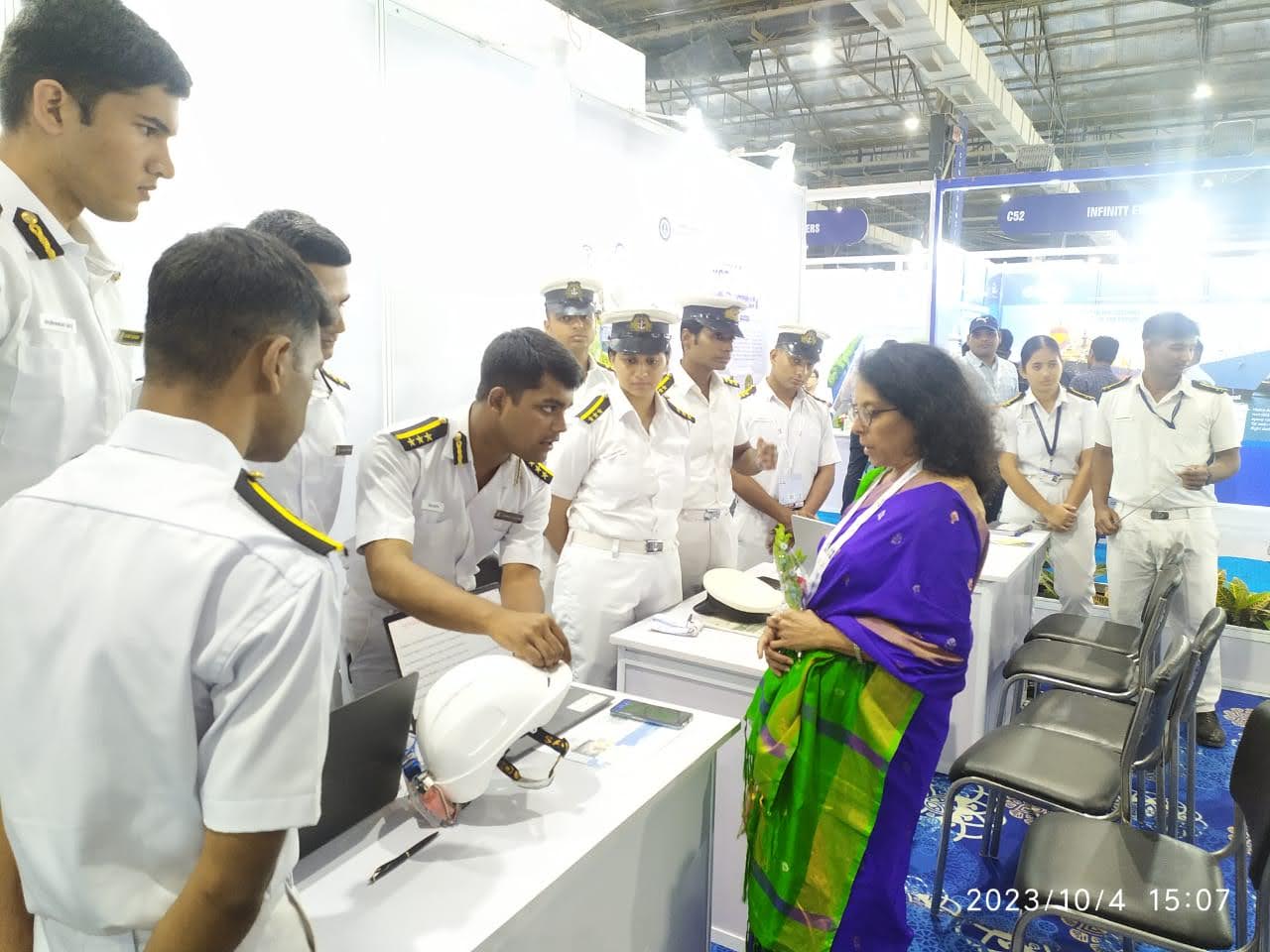
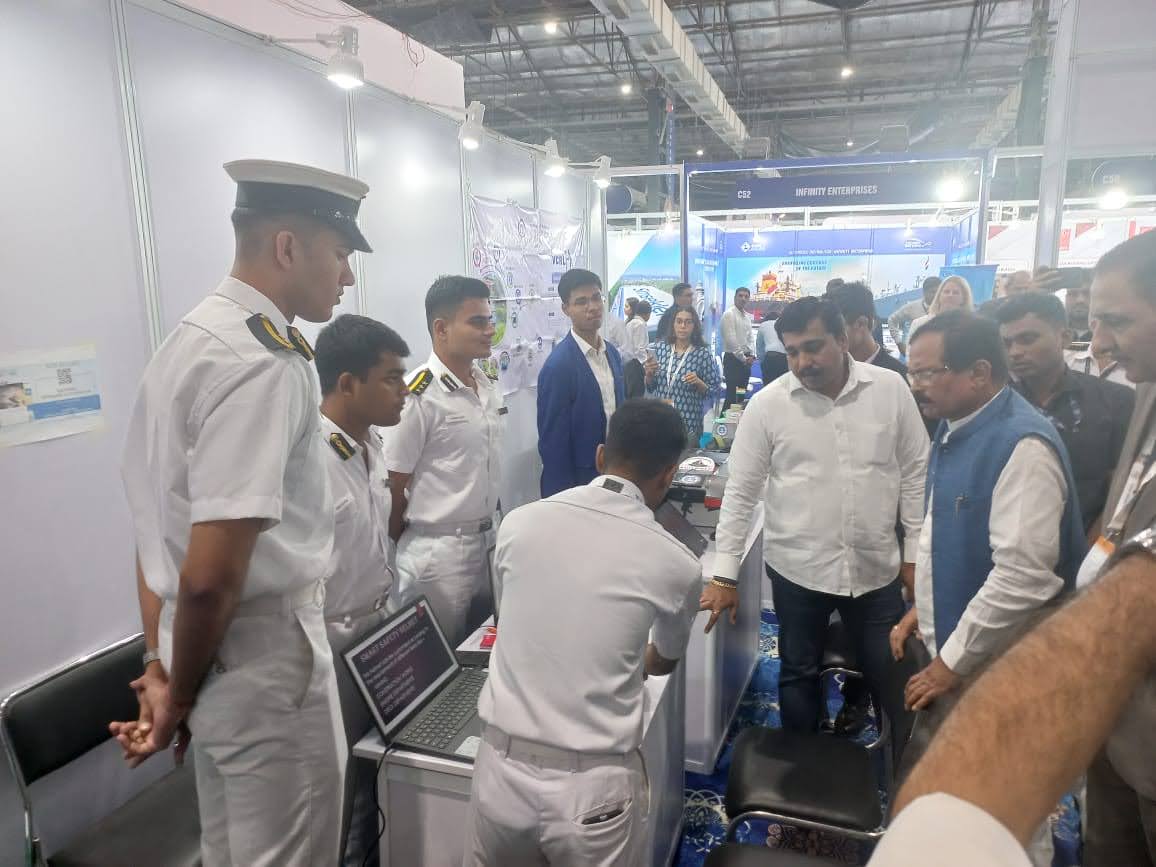
TS Chanakya Lab Shots
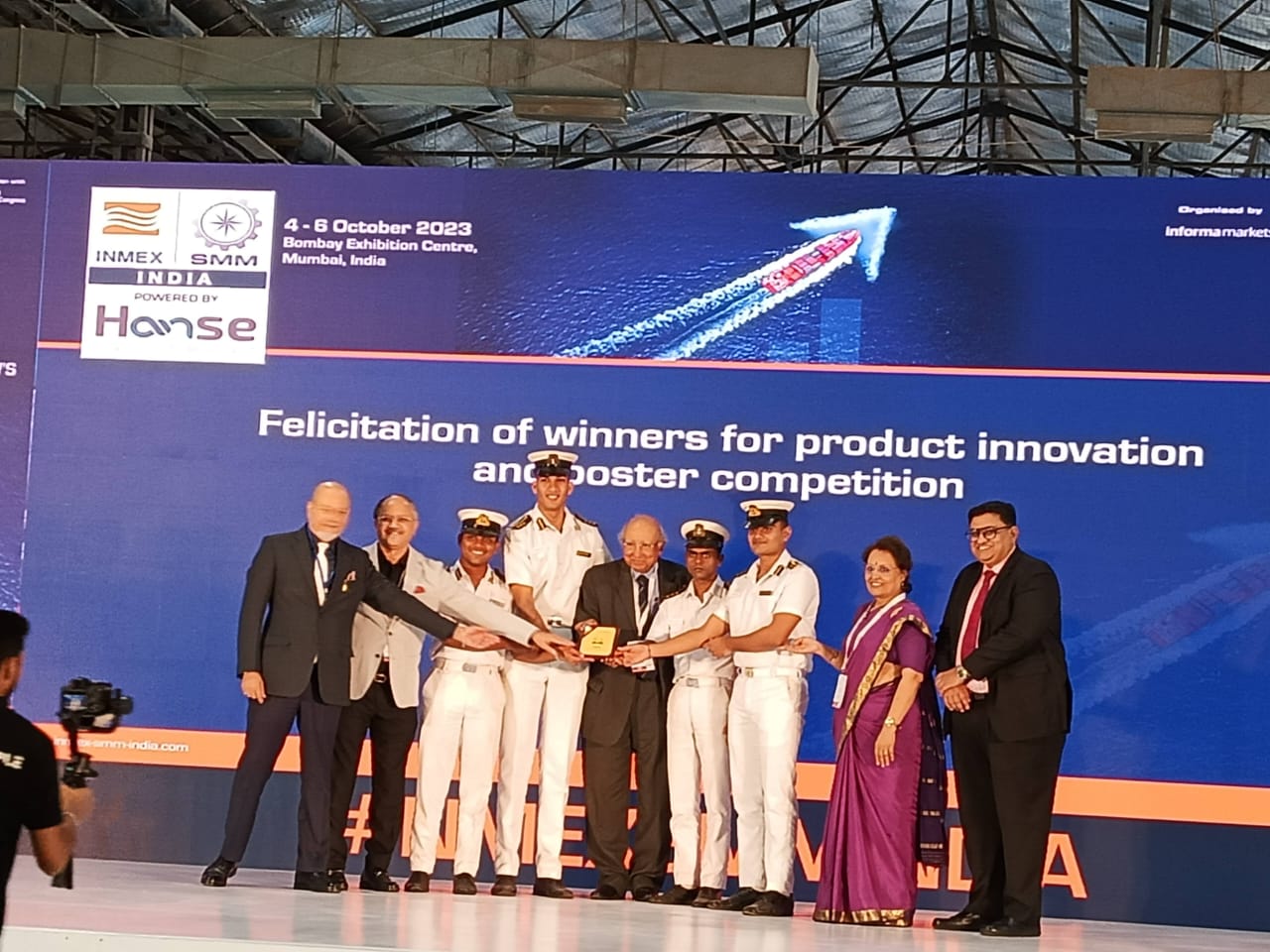
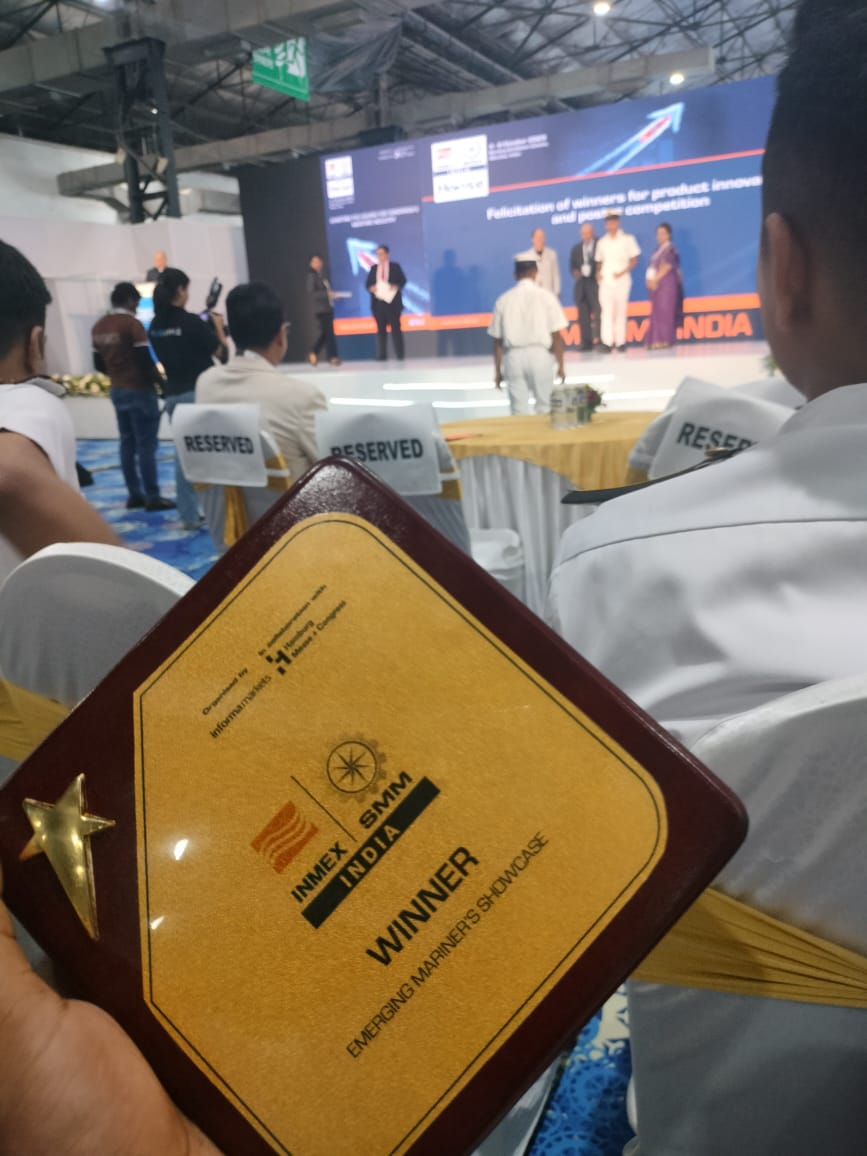
Award Ceremony
Testimonials from Cadets

Engineering & Design

Built for durability and comfort without compromising on safety.

Compact Form Factor

No compromise on safety integrity, designed to be lightweight and comfortable.

Waterproof & Rugged

Built to withstand harsh marine environments, from saltwater to extreme temperatures.

Modular Design

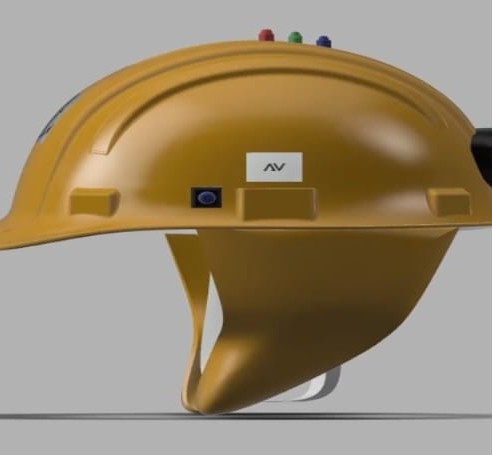
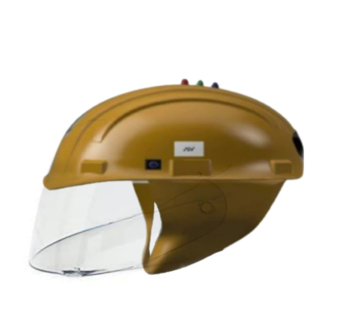
Face shield compatibility and customizable for different applications.

Prototype Image 1
Proposed Smart Helmet (Side view)
Prototype Image 2
Proposed Smart Helmet (Wiser view)
Award Ceremony
Proposed Smart Helmet (Front view)

Compliance & Standards

Our technology is being developed in line with key international safety standards.

ILO 2019

Safety Practices for Shipbuilding

IMO

Safety Management Code

SHM ShipCare

Personal Safety Guidelines

Use Cases

Protecting seafarers across diverse and demanding maritime environments.

Onboard Ships

Ensuring the safety of crew members on the deck, engine room, and throughout the vessel.

Dry Dock Repairs

Providing critical monitoring for personnel during maintenance and repair operations.

Cargo Handling Operations

Enhancing safety for dock workers and stevedores in port and loading terminals.

Enclosed Space Entry Monitoring

Detecting toxic gases and monitoring vitals in high-risk confined spaces.

Emergency Response Teams

Provides critical data and location tracking for rescue and emergency teams.

Other Industries

Applicable to mining, railway, oil & gas fields, and other industrial settings.

Technical Specifications

A detailed breakdown of the components and their functions.

Component Model Function
Microcontroller Arduino Uno (ATmega328P) Processing Unit
Alcohol Sensor MQ3 Breath analysis
Gas Sensor MQ135 Toxic gas detection
Pulse Sensor MAX30102 Heart rate monitoring
Accelerometer ADXL335 Fall/motion detection
GPS Module NEO-6MV2 Real-time location
Communication ESP8266 Wi-Fi/Bluetooth
Power Li-Po 9V Battery Power Supply

Why Choose Us

We're more than a product; we're a mission to revolutionize maritime safety.

Academic Collaboration

Developed in collaboration with Indian Maritime University.

Validated Results

Tested under controlled conditions with documented results.

Scalable Solution

Designed to be scalable for commercial fleets, ports & defense.

Recognition & Credibility

Our prototype has been recognized in leading maritime forums and publications.

INMEX SMM 2023

1st Prize Winner

JMR Publication

Read Research Paper

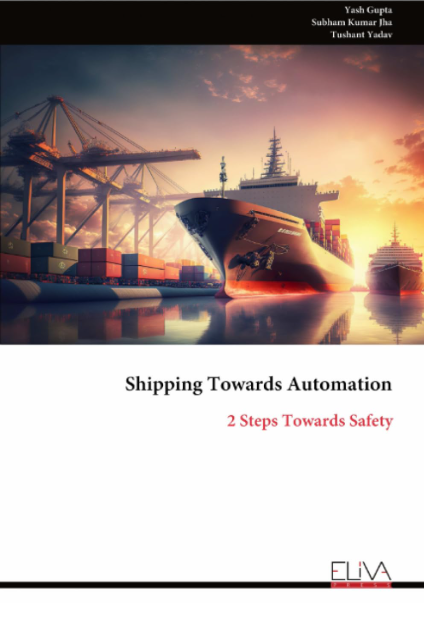
Featured in Book

Shipping Towards Automation

Supported by: TS Chanakya, Naavik, Maritime SMEs
Collaborators: R&D Labs, Maritime Training Institutes

Join us in scaling India’s first smart maritime safety gear.

We are actively seeking industry partners, sponsors, and collaborators to make the oceans safer.

We Are Actively Seeking:

  • Industry Collaborators (Shipping, Port Ops, Oil & Gas)
  • Academic / Research Institutions
  • CSR Supporters & Innovation Grant Providers
  • Pilot Deployment Partners (Fleets, Institutes)
  • Technology Enablers (IoT, Embedded Systems)

Why Collaborate?

  • Be part of a life-saving initiative
  • Fulfill ESG, Safety, and CSR mandates
  • Gain early access to revolutionary tech
  • Co-brand and feature in global safety events

Development Timeline & Roadmap

Q1 2023

Prototype Developed (TS Chanakya)

Q3 2023

Won INMEX Award + Paper Published

Q2 2024

AI Vision System R&D

Q3 2024

Industry Trials & Feedback

Q1 2025

Smart Helmet 2.0 Beta

Q2 2025

Commercial Release Planning

Shipping Towards Automation: 2 Steps Towards Safety

“Shipping Towards Automation" is a groundbreaking work exploring the evolving landscape of the maritime industry in the face of automation, AI, and digital transformation”

The book acts as a bridge between maritime tradition and future-forward innovation, reflecting both challenges and opportunities presented by automation in shipping.

Shipping Towards Automation Book Cover

Team & Vision

Presented by: Naavik Maritime Solutions
Mission: Transform maritime safety through AI-powered innovation.

Yash Gupta

Yash Gupta

Founder | Naavik Maritime Solutions

"Driving safety through scalable hardware systems."

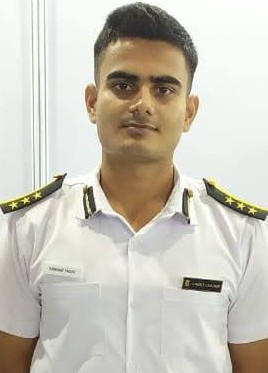
Tushant Yadav

Tushant Yadav

Smart Safety Helmet | Maritime Technologist & Author

"Redefining maritime careers with innovation and automation."

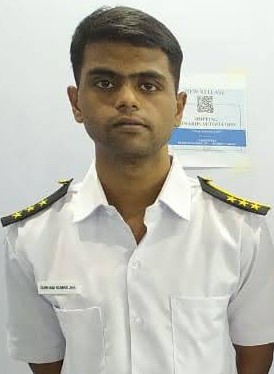
Shubham Kumar Jha

Shubham Kumar Jha

Research Advisor

"Guiding impact-driven maritime safety research."

Dr. S.M. Puranik

Dr. S.M. Puranik

Technical Mentor & Academic Advisor

"Merging academic insight with real-world applications."

Frequently Asked Questions

The helmet uses an integrated ESP8266 module to transmit data via Wi-Fi and Bluetooth to a central system on the ship's bridge or to a connected mobile device.

The prototype utilizes a Li-Po 9V battery with a backup of 8-10 hours. Future versions will include solar charging capabilities for extended use.

Yes, the helmet features an IP65 rated waterproof and rugged casing, ensuring durability in all marine environments.

The data collected is used solely for safety and operational purposes. Our privacy policy ensures that personal health and location data are secure and accessible only to authorized personnel.

The helmet's core safety functions, such as fall detection and local alerts (LEDs/buzzers), operate independently. Wi-Fi and GSM are used for transmitting data and alerts to the bridge or other remote locations.

Ready to transform your maritime safety?

Schedule a demo, download our whitepaper, or speak to a technical specialist.

Contact / Inquiry Form

Fill out the form below to get in touch with us.